
Safety and Privacy
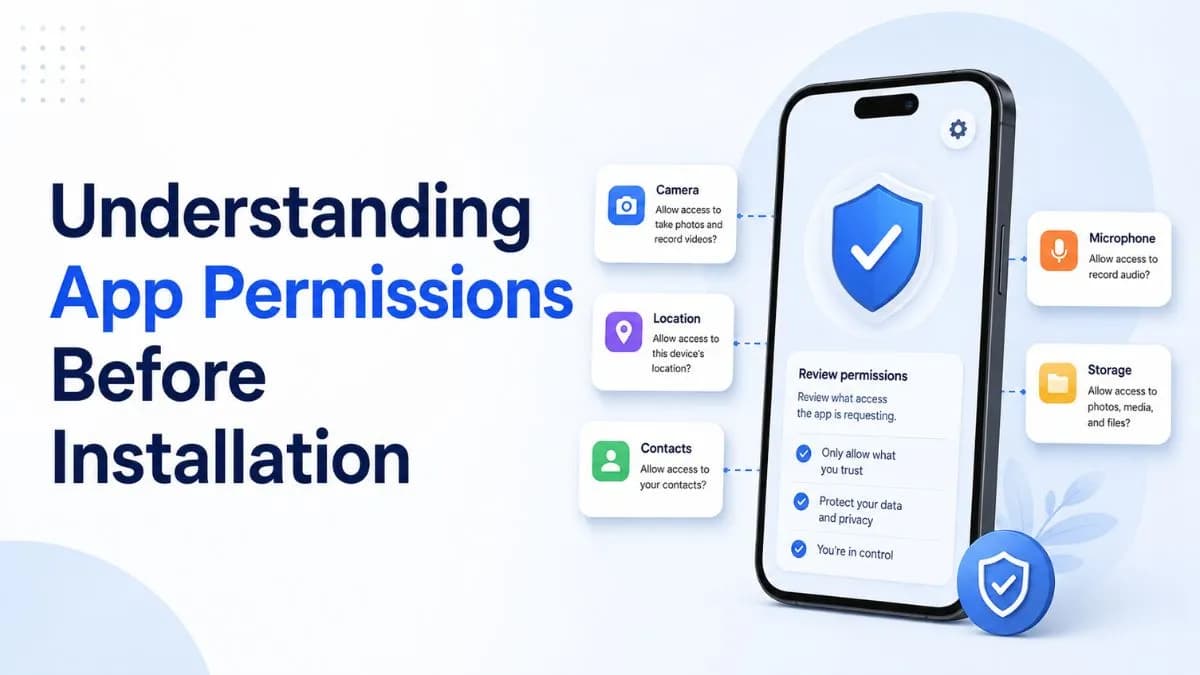
Understanding App Permissions Before Installation
What Android permissions actually grant, which ones a card game can justify, and which requests should end an installation.
Updated 17 July 2026
Safety and Privacy
Published 17 July 2026 · Updated 17 July 2026
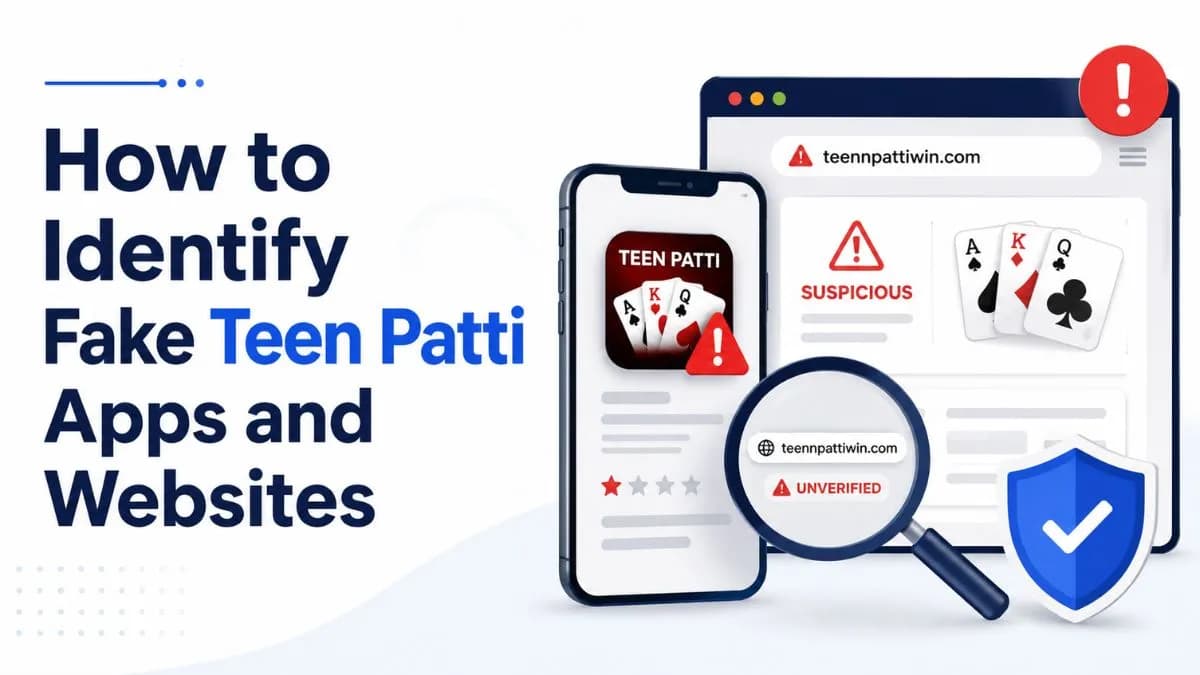
The Teen Patti app market has a counterfeiting problem. Because successful apps in this space share so much surface — gold-and-red theming, card-fan icons, names built from the same few words — copying one convincingly is cheap, and the copies range from lazy clones to carefully engineered traps. This post covers the forms fakes take and the checks that expose them.
The simplest fake borrows a known name with a small mutation: an extra word, a number swapped, a space removed. The games in this directory alone include multiple '777', '91', and 'Rummy' variants — legitimate apps already blur together, and impostors exploit exactly that blur.
The check: anchor on the publisher, not the name. Two apps can share a name; they cannot share a developer account. Note the exact publisher of the app you intend to install, and treat any mismatch between what a website claims and what the store listing shows as disqualifying.
The most dangerous fake is a real app's installer, modified and re-shared: same icon, same lobby, plus additions you cannot see — credential harvesting, SMS interception, or payment redirection. These spread through Telegram channels, WhatsApp forwards, and download portals promising versions 'with bonus unlocked'.
The check is behavioural, not technical: never install gaming APKs from links in messages, no matter who forwarded them. Anything worth installing is available through a source the operator itself documents. 'Unlocked' or 'modded' versions of gambling apps are traps essentially without exception.
Fake sites impersonate an app's official page — or invent an official page for an app that never had one — to distribute installers or harvest sign-ups. Signs to weigh: recently registered domains, no operator identity, download buttons above all other content, invented review scores, and promo codes with improbable values attached — a contrast with the dated, conditional listings in our promo-code hub.
Reverse the logic when in doubt: a legitimate operator's page exists to serve existing players, so it has support routes, terms, and policy pages. A fake exists to convert visitors, so everything funnels to one button.
After installation, the risk shifts to people: accounts posing as customer support in comments, groups, and DMs, offering to 'fix' withdrawal issues or 'activate' bonuses. The script always converges on the same requests — an OTP, a fee, remote access, or your login.
No legitimate support process needs your OTP or password, charges a fee to release a withdrawal, or conducts business through personal messaging accounts. Any one of those requests identifies the impostor on its own.
Fakes work by borrowing trust faster than you can verify it. The counter-habit is to slow the moment of installation down: check the publisher, check the source, check who is asking — before the app is on your phone, not after money is in the wallet. Our platform review guide turns this into a full fifteen-minute checklist. For what an installed app should and should not be asking for, see our app permissions explainer.
This article is informational only and is not legal or financial advice. This website is an independent directory: it does not operate games, take bets, or process payments. See our editorial policy for how content is researched and updated.
Safety and Privacy
What Android permissions actually grant, which ones a card game can justify, and which requests should end an installation.
Updated 17 July 2026
Promo-Code Awareness
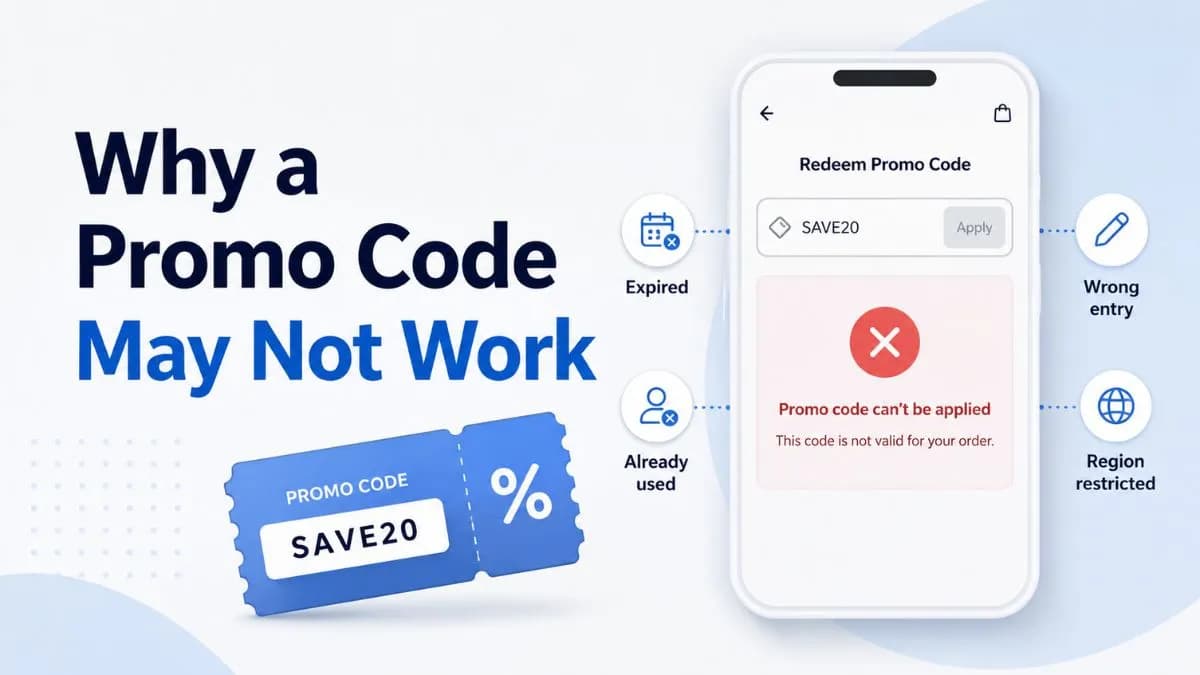
Expired campaigns, eligibility limits, region locks, redemption caps, and fakes — a diagnostic walk through every common reason a gaming promo code fails.
Updated 17 July 2026