
Platform Guides
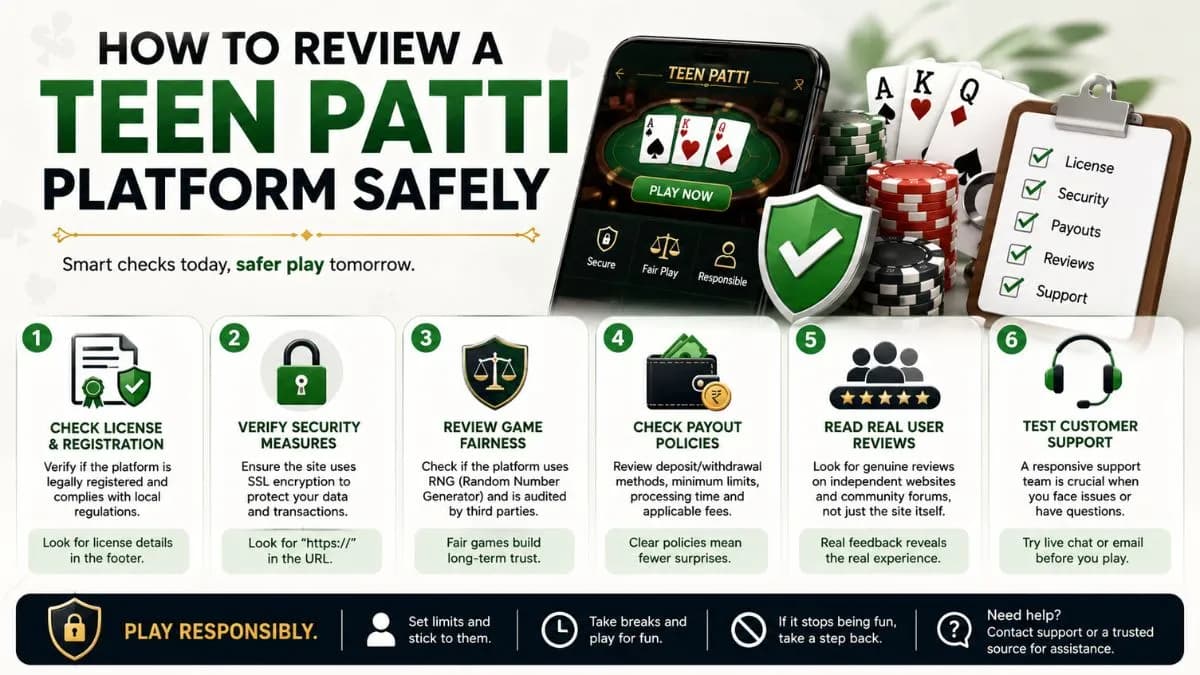
How to Review a Teen Patti Platform Safely
A practical checklist for evaluating any Teen Patti app before installing: operator identity, terms, permissions, payment handling, and red flags.
Updated 17 July 2026
Responsible Gaming
Published 17 July 2026 · Updated 17 July 2026
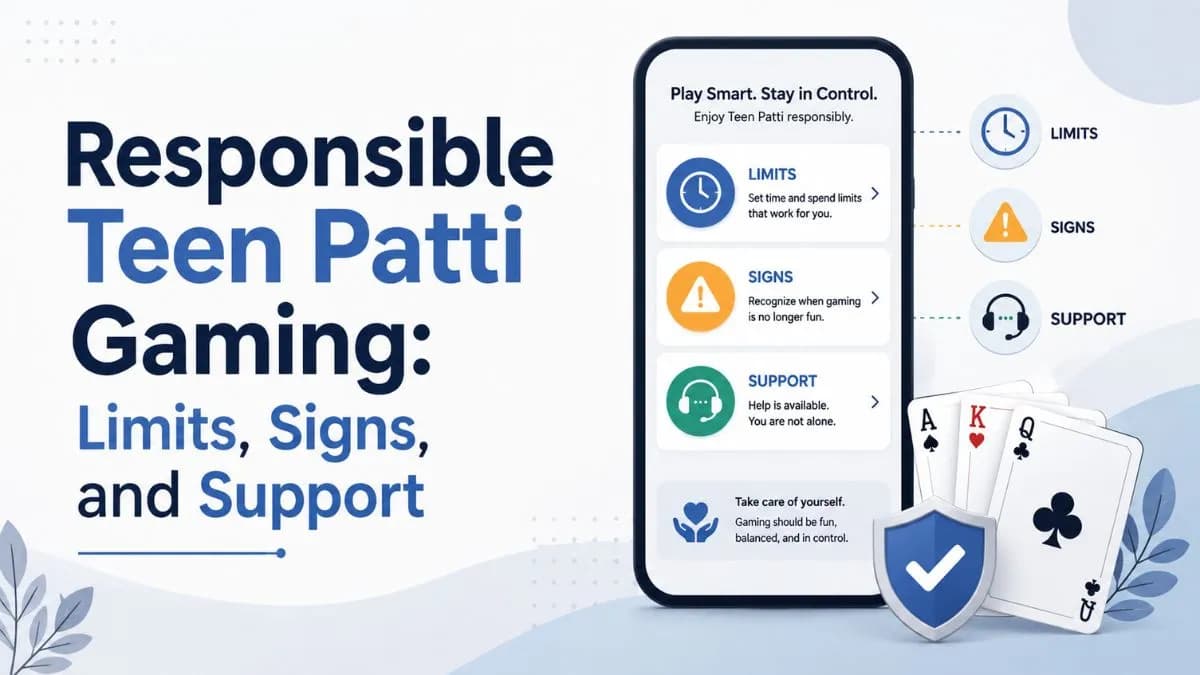
Teen Patti is built to be absorbing: fast rounds, near-misses, and the permanent sense that the next hand could go differently. That absorption is fine at a festival table with family and worth active management on a phone that is always within reach — especially when real money is involved. This post collects practical habits, without lectures; the site-wide version of these commitments lives on our responsible gaming page.
Every useful limit shares one property: it was set before play began. Decide a spending amount you can lose without consequence, a session length, and a stopping point — then treat all three as fixed. Decisions made mid-session are made by a different person: one who is up and feels invincible, or down and wants it back. The single most protective rule in staked play is also the simplest: never chase losses. Money lost was the cost of the session, not a debt the next session owes you.
One of these occasionally is human. Several, persistently, are a pattern — and patterns respond best to early attention, while the stakes are still small.
Use structural supports rather than willpower alone. Some platforms offer deposit limits, session reminders, cooling-off periods, or self-exclusion — if a platform you use offers them, they are the most honest features it has; if it offers none, that absence is worth weighing in itself — alongside the operator checks in our platform review guide. Outside the app: UPI and bank-level spending controls, phone screen-time limits on specific apps, and the blunt but effective option of uninstalling for a while. When comparing apps in our games directory, treat the presence of these player-protection tools as a point in an app's favour.
If play has stopped feeling voluntary — for you or someone close to you — talking to someone helps more than another private resolution to do better. Options include your doctor, mental-health helplines such as those run by public institutions (iCall and similar services operate in multiple Indian languages), and community support groups for gambling-related harm. None of these require a crisis to justify the conversation. Our gambling awareness page keeps a fuller list of options.
A last word on framing: seeking help with gambling harm is a practical act, like seeing a physiotherapist for a recurring injury. The earlier the conversation happens, the shorter it tends to be.
This article is informational only and is not legal or financial advice. This website is an independent directory: it does not operate games, take bets, or process payments. See our editorial policy for how content is researched and updated.
Platform Guides
A practical checklist for evaluating any Teen Patti app before installing: operator identity, terms, permissions, payment handling, and red flags.
Updated 17 July 2026
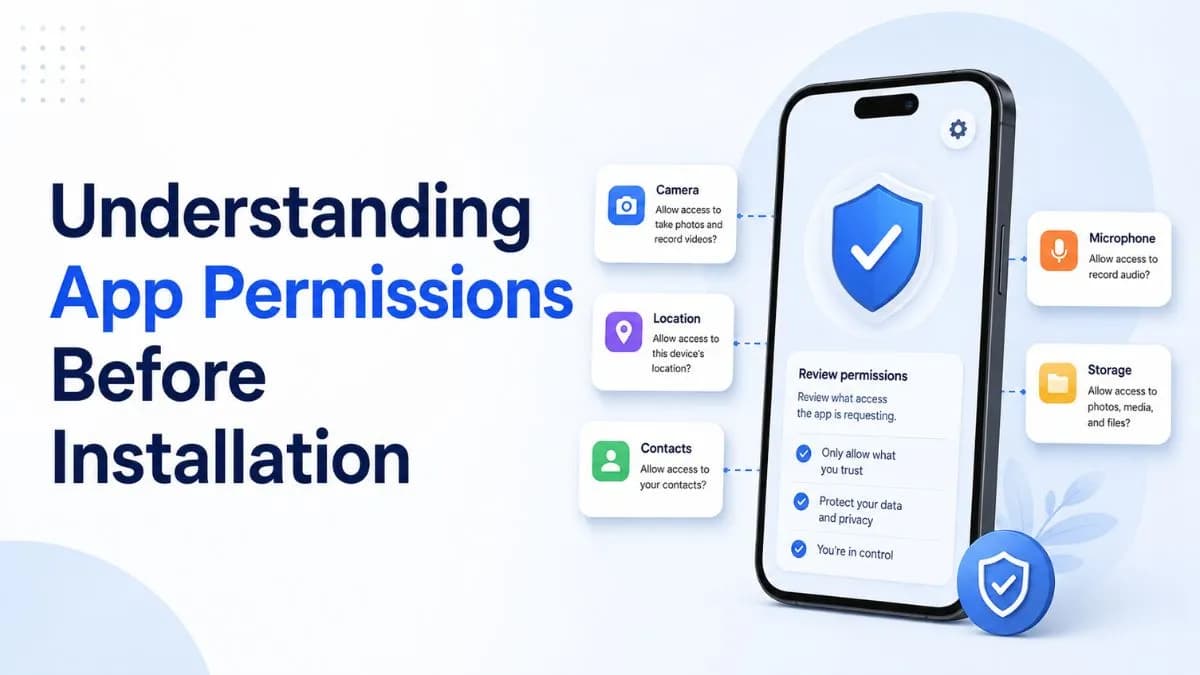
Safety and Privacy
What Android permissions actually grant, which ones a card game can justify, and which requests should end an installation.
Updated 17 July 2026