Quick answer: The most common beginner Teen Patti mistakes are misremembering hand rankings, ignoring table rules, confusing blind and seen betting, chasing losses, and using unverified apps. Learning the rules first and setting a fixed limit prevents most of them.
Everyone makes errors when learning a new card game. These ten are the ones that come up most, along with how to avoid them.
1. Mixing up the rankings. Trail beats pure sequence, which surprises poker players. Learn the order once: trail, pure sequence, sequence, colour, pair, high card. See our hand rankings.
2. Assuming every table uses the same rules. How A-2-3 ranks, whether sideshow exists, and whether wild cards are used all vary. Read the table rules first. See the A23 sequence and sideshow guides.
3. Not understanding blind vs seen. Betting rules change once you look at your cards. Learn the difference in blind vs seen.
4. Ignoring the boot and pot limit. These decide how quickly money moves. Read boot amount and pot limit before sitting down.
5. Playing every hand. About three hands in four are just a high card, as shown in the probability guide. Folding weak hands is part of the game.
6. Chasing losses. Raising your bets to "win it back" is the most expensive habit in any betting game. If you are down to your limit, stop.
7. Having no stop limit. Decide your total spend, and your time limit, before you start. Write it down. See responsible Teen Patti gaming.
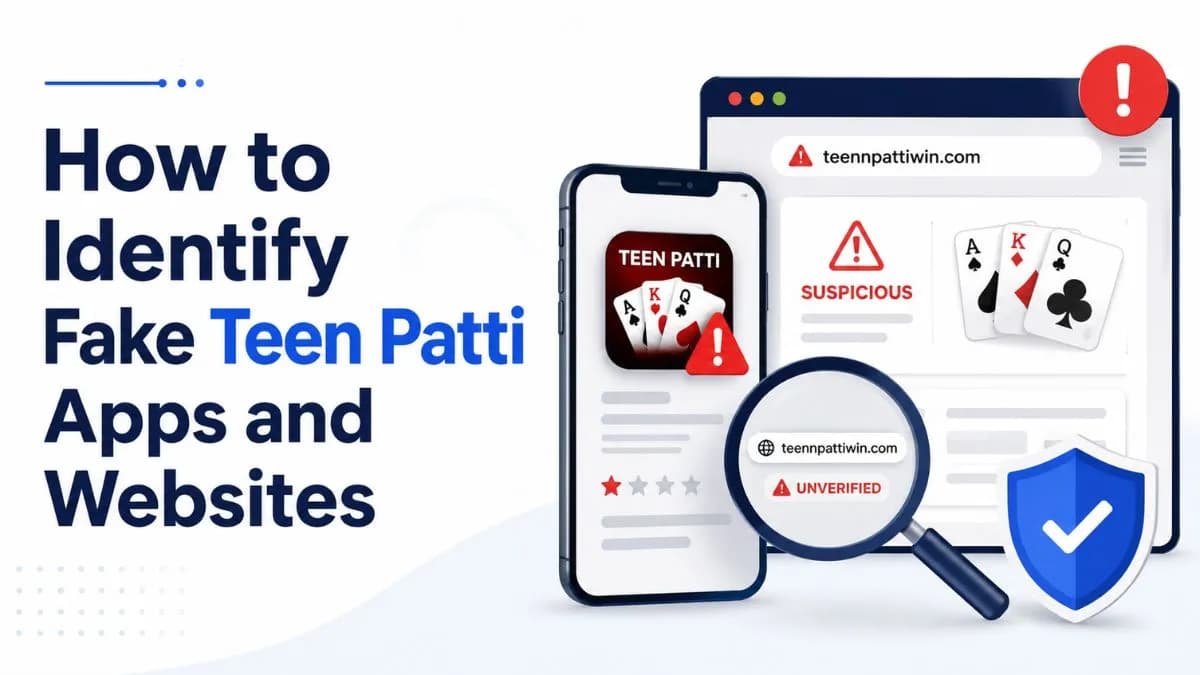
8. Trusting any app. Fake and copycat apps exist. Learn the warning signs in how to identify fake Teen Patti apps and check app permissions before installing.
9. Believing tips that promise wins. No trick, system or "hack" guarantees results. Any site or video that promises certain wins is misleading you.
10. Playing when tired, stressed or underage. Decisions get worse when you are upset or tired, and Teen Patti for money is for adults only (18+). If gaming stops feeling like entertainment, take a break and seek support.
Why these mistakes are so common
Teen Patti looks simple, and that is part of the trap. The rules fit on a single page, so new players feel ready after one game. The mistakes above rarely come from not knowing a rule. They come from assuming a rule, or from letting excitement outrun the plan.
Three of them in practice
Mistake 6 (chasing losses). A player starts with a limit of 500, loses it in three hands, then "just one more" turns into 1,500 by the end of the evening. Each extra hand felt reasonable on its own, but none of them changed the odds. The limit was the only thing that could have stopped it.
Mistake 2 (assuming the rules). A player used to a table where A-2-3 is second-highest joins a table where it is lowest, and packs a hand that would have won.
Mistake 9 (trusting promises). A video claims a "secret pattern" for winning. Because every deal is random, no pattern in the cards can be relied on, and the video exists to promote something. Treat any promise of certain winnings as a warning sign.
A pre-game routine that avoids most mistakes
- Read the table rules: boot, limits, A-2-3, sideshow and variation.
- Set your limit: the most you will spend, and the time you will stop.
- Check the app: make sure it is genuine before you install or share details.
- Start small or play for tokens first. A game at home costs nothing and teaches the flow. See play at home.
- Stop when the plan says stop. Win or lose, the limit is the limit.
None of these steps needs experience, only the habit of doing them every time. If you notice yourself breaking your own limits, or feeling anxious or low after playing, our responsible gaming page lists where to find support.
If you have already made some of these mistakes
Almost every player has. Make one small change rather than overhauling everything:
- If you misjudged the rankings, keep a printed ranking list beside you.
- If you overspent, write down a limit now and treat it as fixed.
- If you joined a table without checking its rules, read them before your next hand.
- If you installed an app you now doubt, review its permissions and remove it if anything looks wrong.
This article is informational only and is not legal or financial advice. This website is an independent directory: it does not operate games, take bets, or process payments. See our editorial policy for how content is researched and updated.